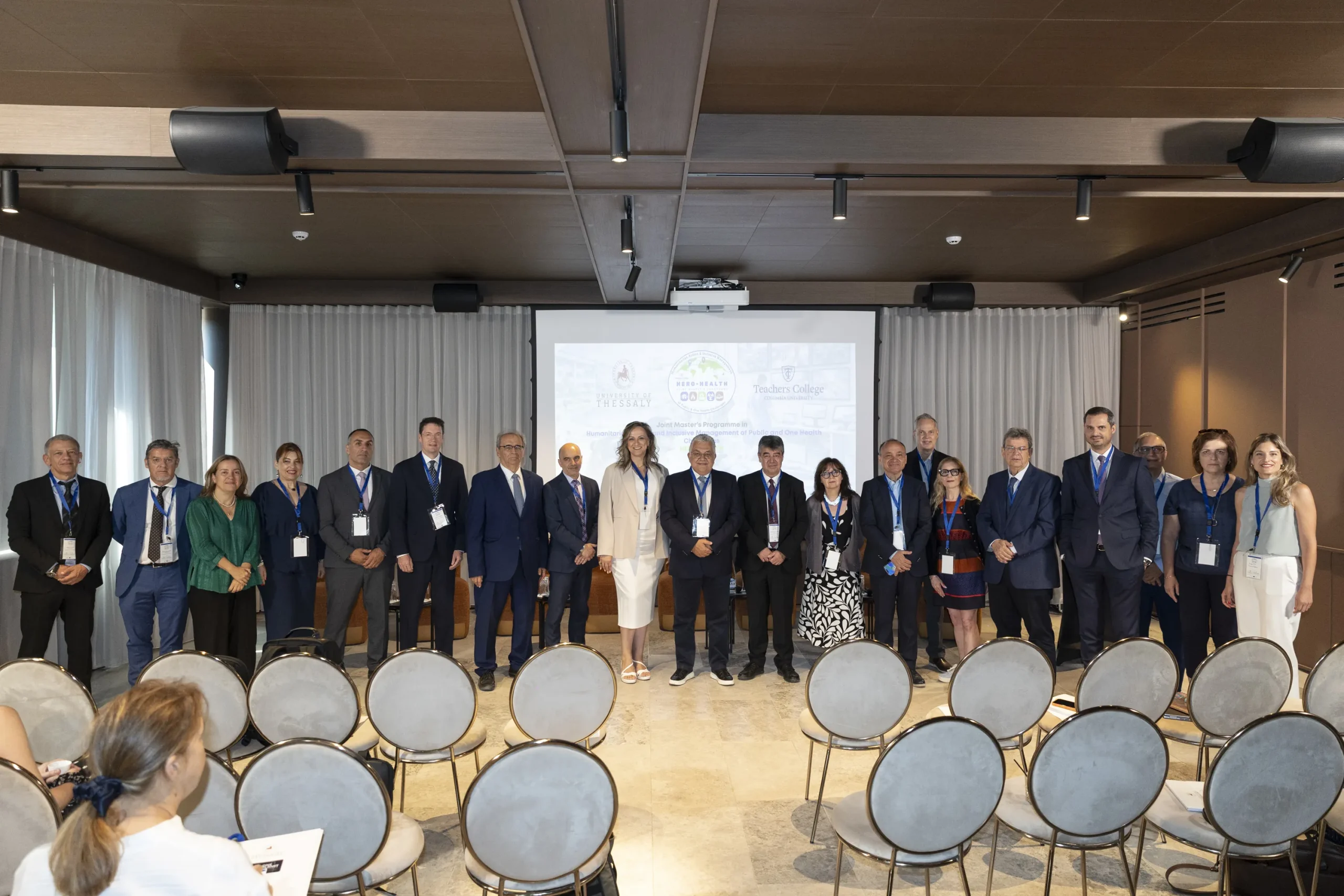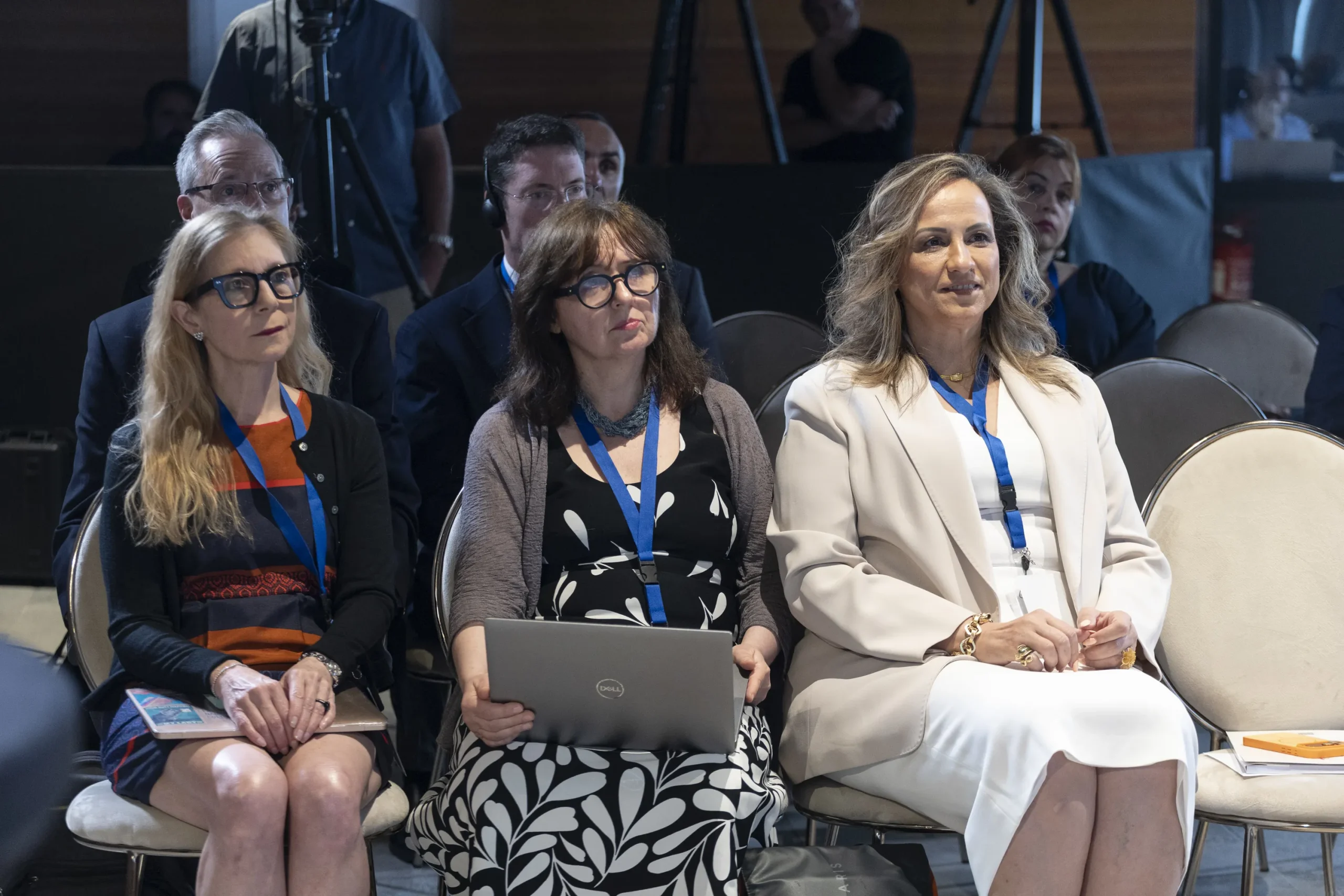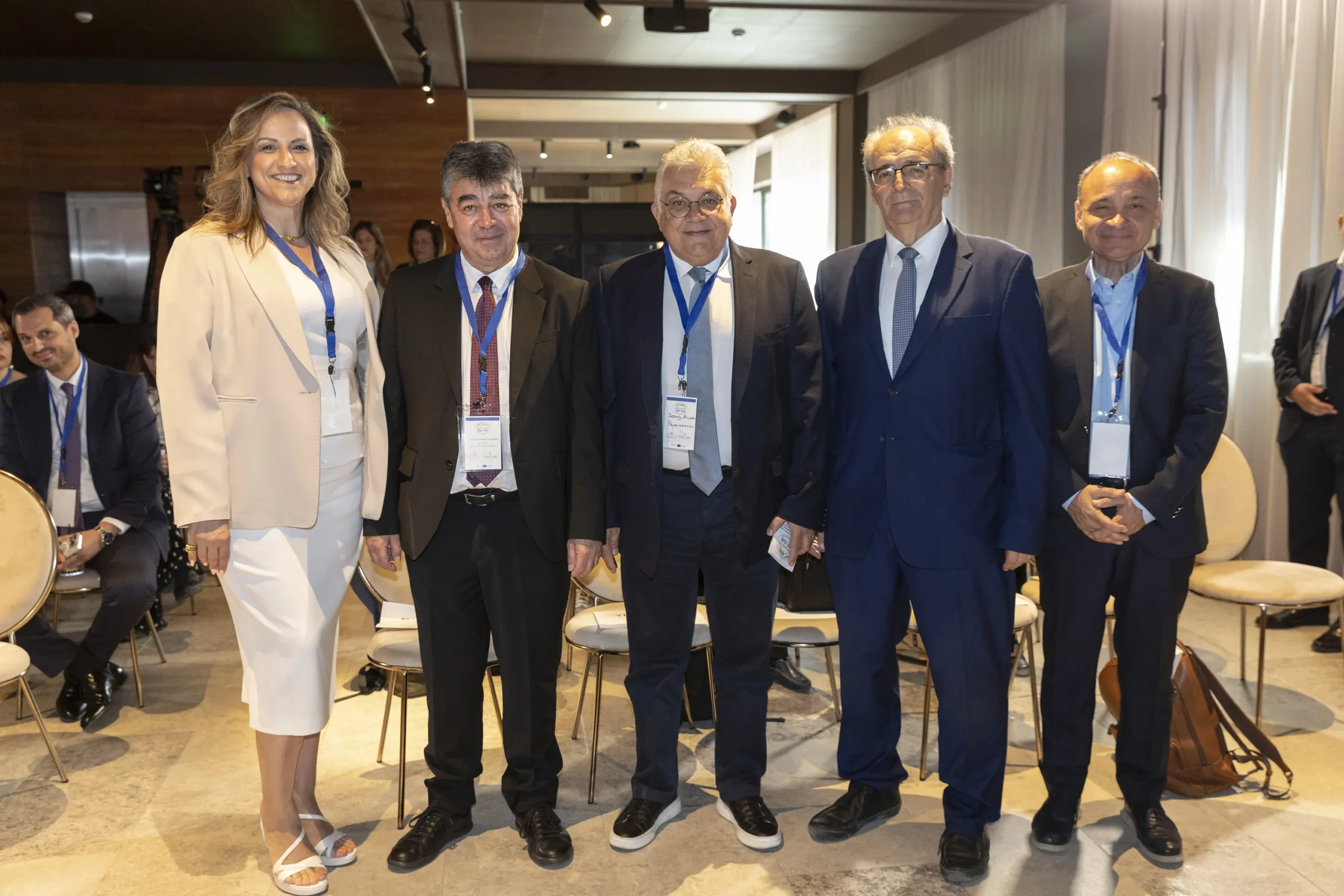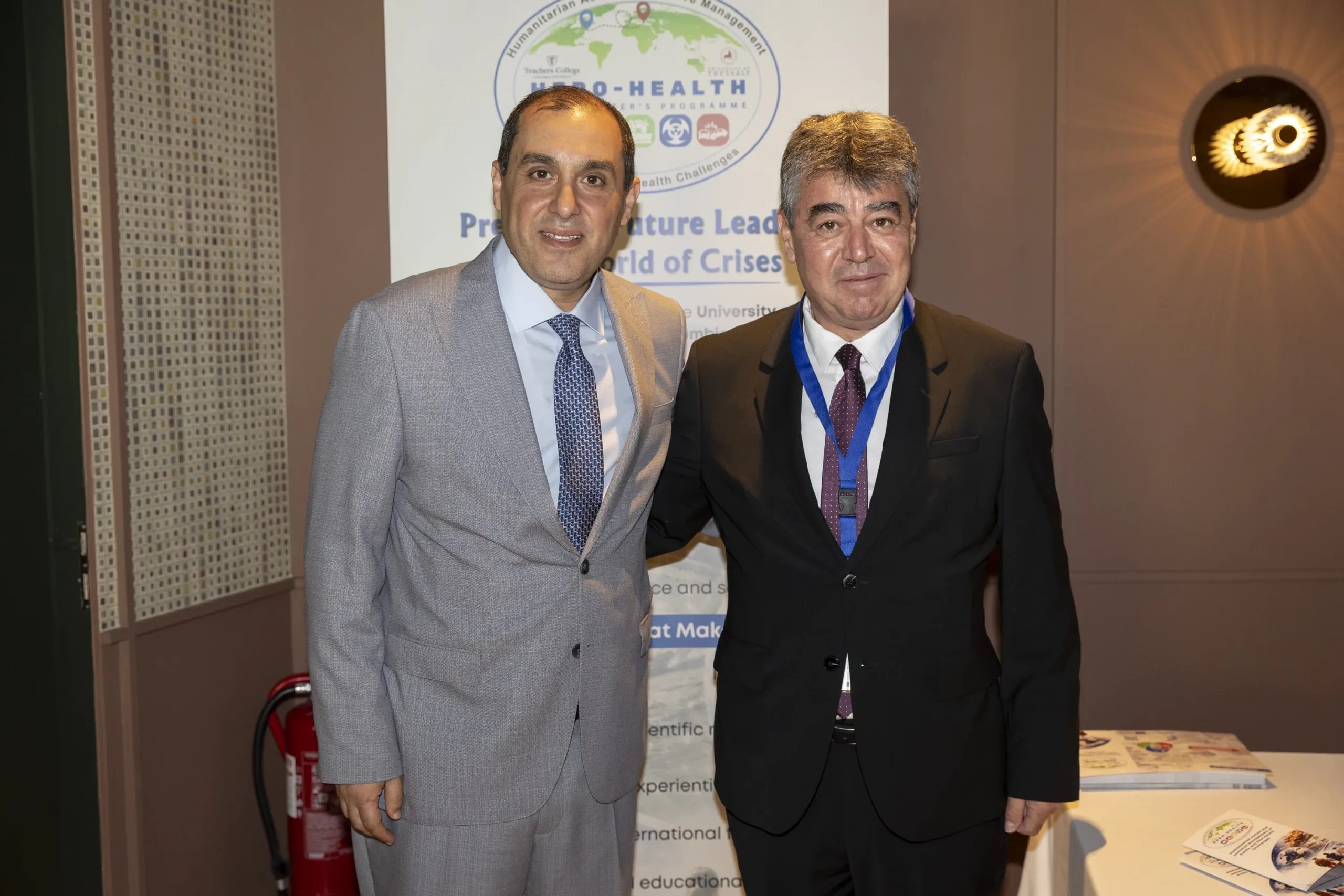


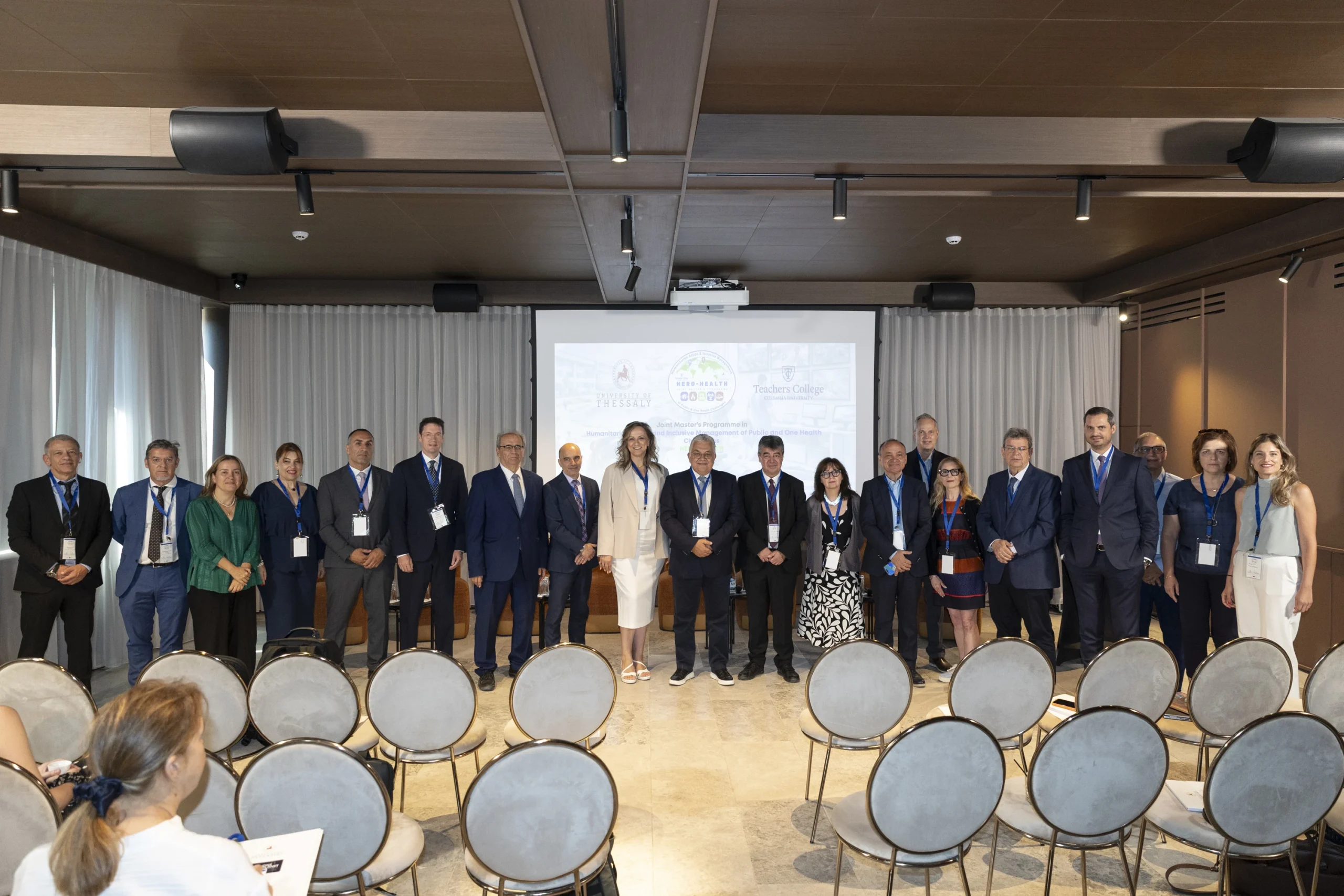
On 25 June 2026, the University of Thessaly and Teachers College, Columbia University officially marked the launch of the Joint Master’s Programme in Humanitarian Action and Inclusive Management of Public and One Health Challenges (HERO-HEALTH) with its inaugural event at Aigli Zappeiou in Athens.
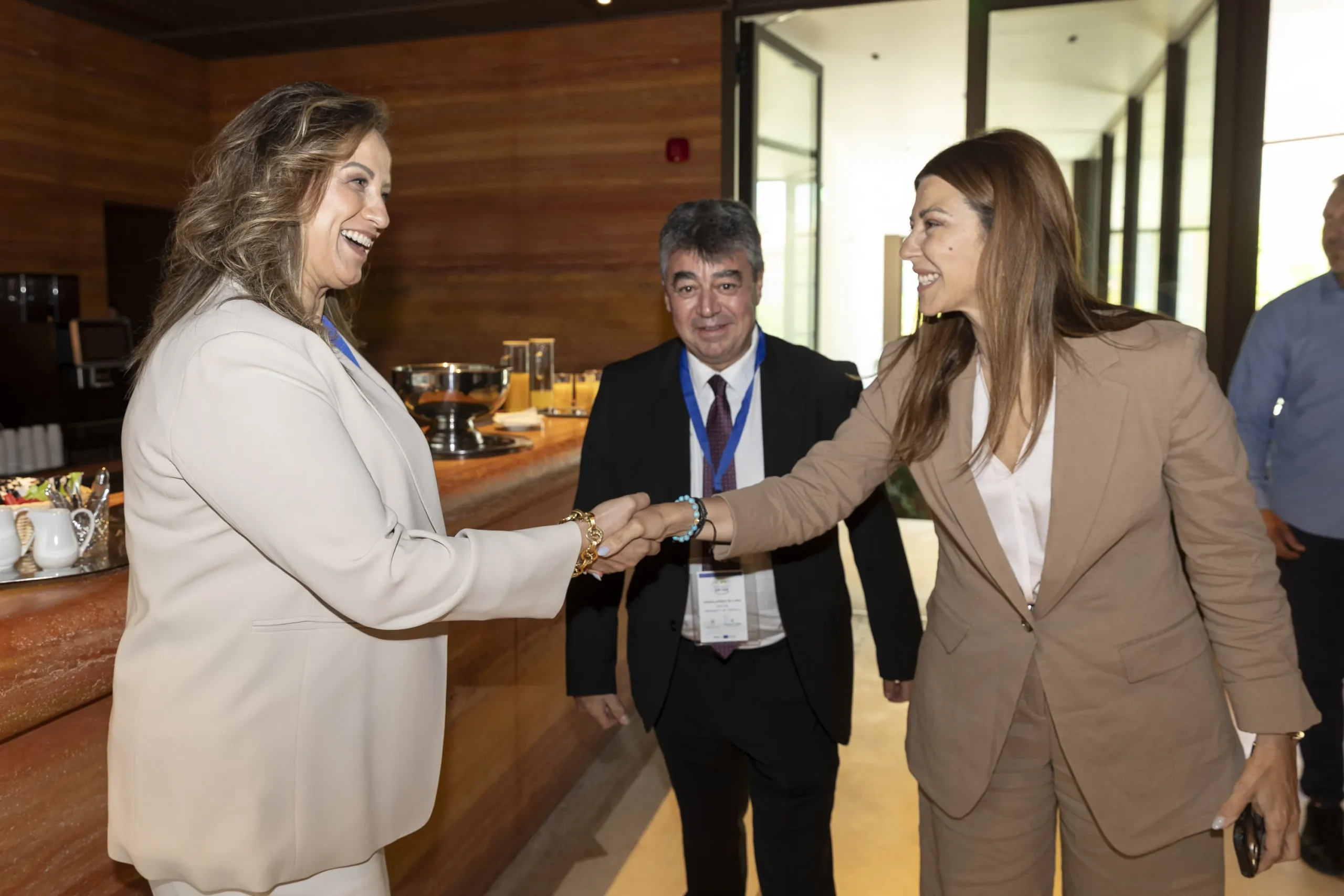
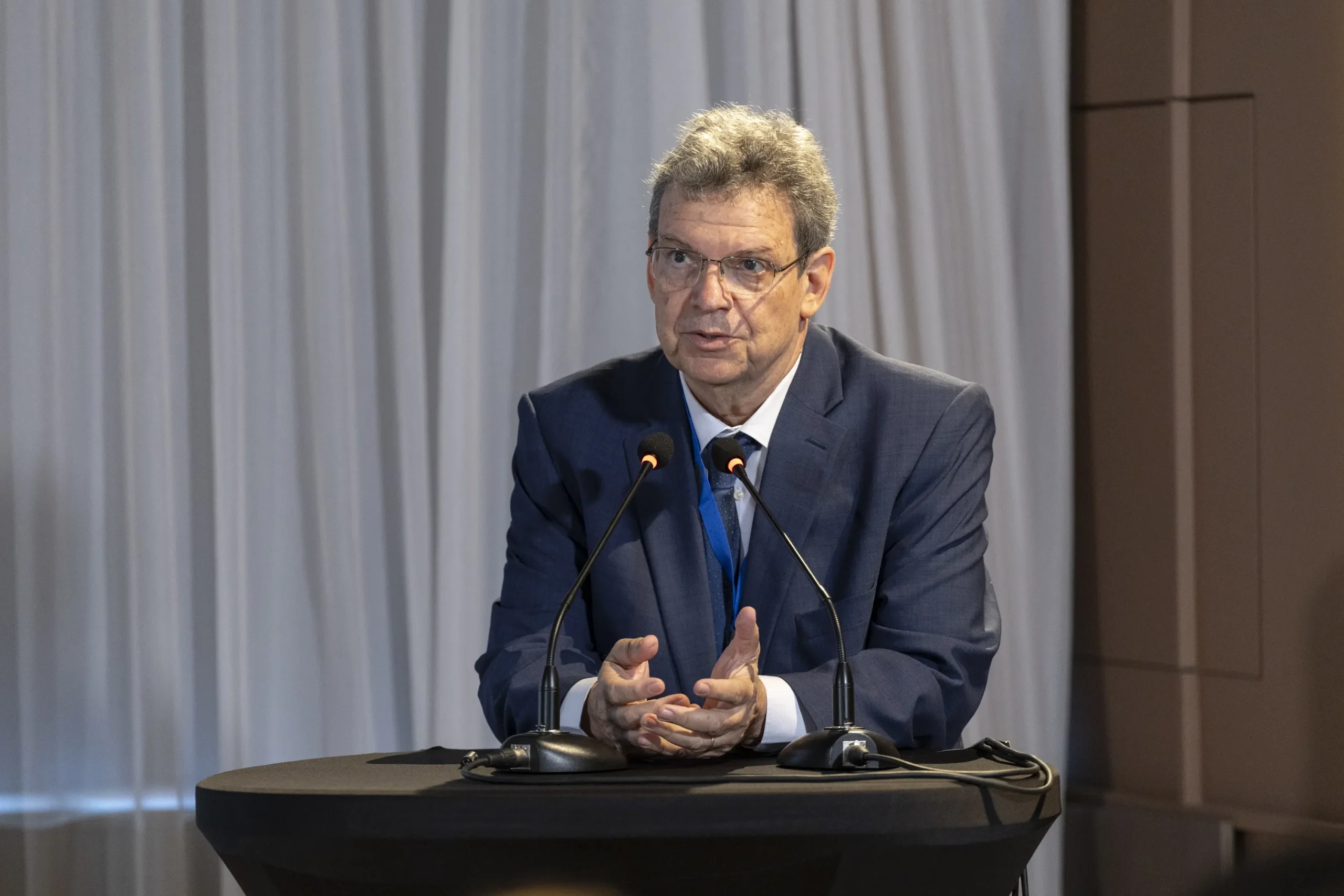
The kick-off meeting brought together senior representatives of the Greek Government, higher education authorities, academic leaders from Greece and the United States, experts in humanitarian action, health and disaster preparedness, and representatives of civil protection and the wider community.
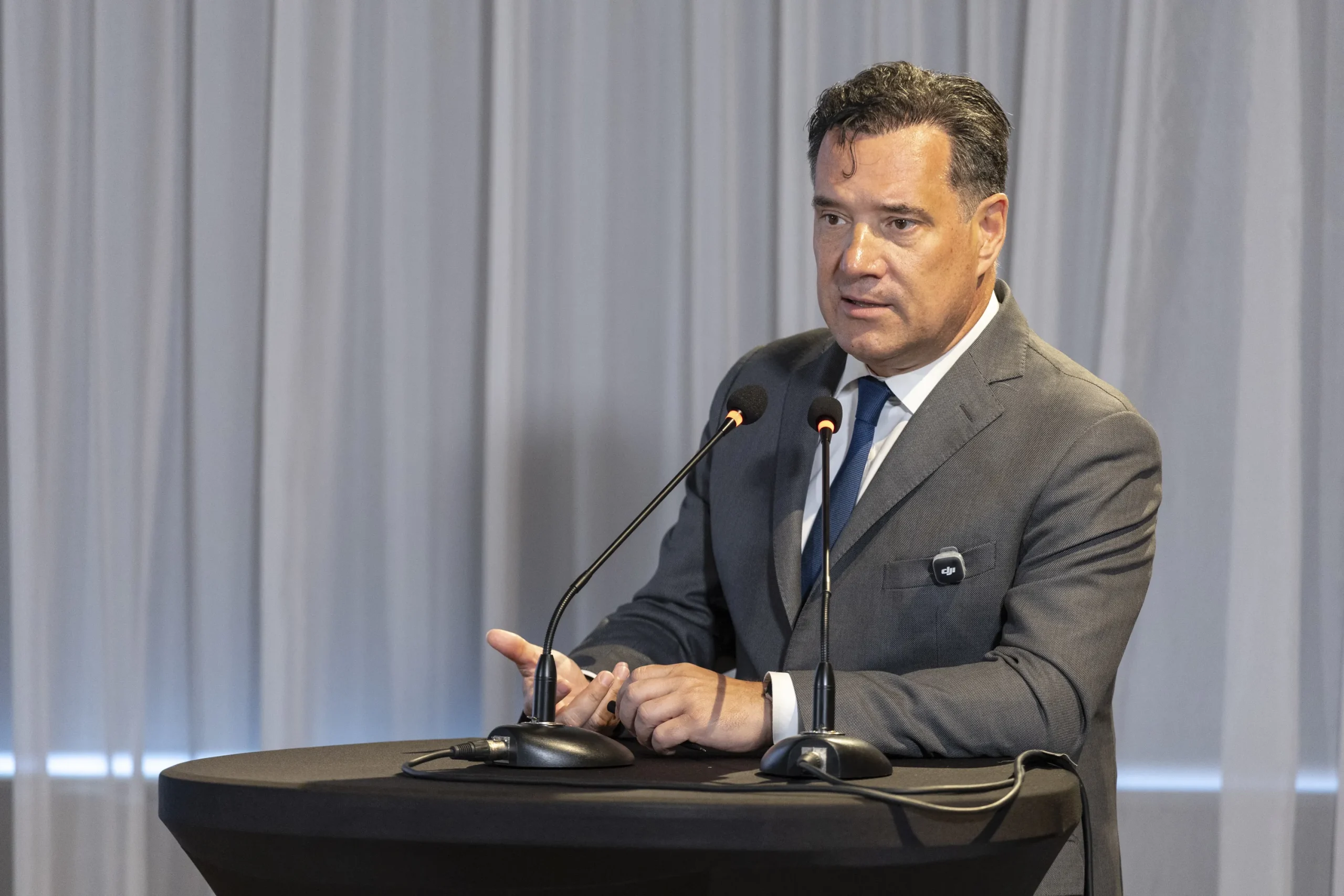
The event was attended and addressed by Sofia Zacharaki, Minister of Education, Religious Affairs and Sports; Adonis Georgiadis, Minister of Health; Nikos Papaioannou, Deputy Minister of Education, Religious Affairs and Sports responsible for Higher Education; and Konstantinos Katsafados, Deputy Minister for Climate Crisis and Civil Protection. Their contributions highlighted the importance of internationalisation in Greek higher education, resilient health systems, preparedness for complex crises, and the role of universities in developing the knowledge and skills required to address contemporary societal challenges.
The higher education and academic community was represented by Professor Periklis Mitkas, President of the Hellenic Authority for Higher Education (HAHE); Professor Charalambos Billinis, Rector of the University of Thessaly and Scientific Coordinator of HERO-HEALTH; Professor Chrysi Laspidou, Vice-Rector for Innovation, Internationalisation, Collaborations and Digital Governance at the University of Thessaly; Professor Catherine Mary Embree, Vice President for Planning and Strategy, Chief of Staff to the President, and Secretary of the College at Teachers College, Columbia University; and Professor Emmanuel Pikoulis, Director of the MSc in Global Health – Disaster Medicine and Director of the Research Institute of Humanitarian Medicine and Response at the National and Kapodistrian University of Athens.
The inaugural meeting introduced the vision, academic scope and interdisciplinary approach of HERO-HEALTH, underlining the growing need for professionals capable of responding effectively and inclusively to humanitarian emergencies, public health crises, environmental threats and climate-related disasters.
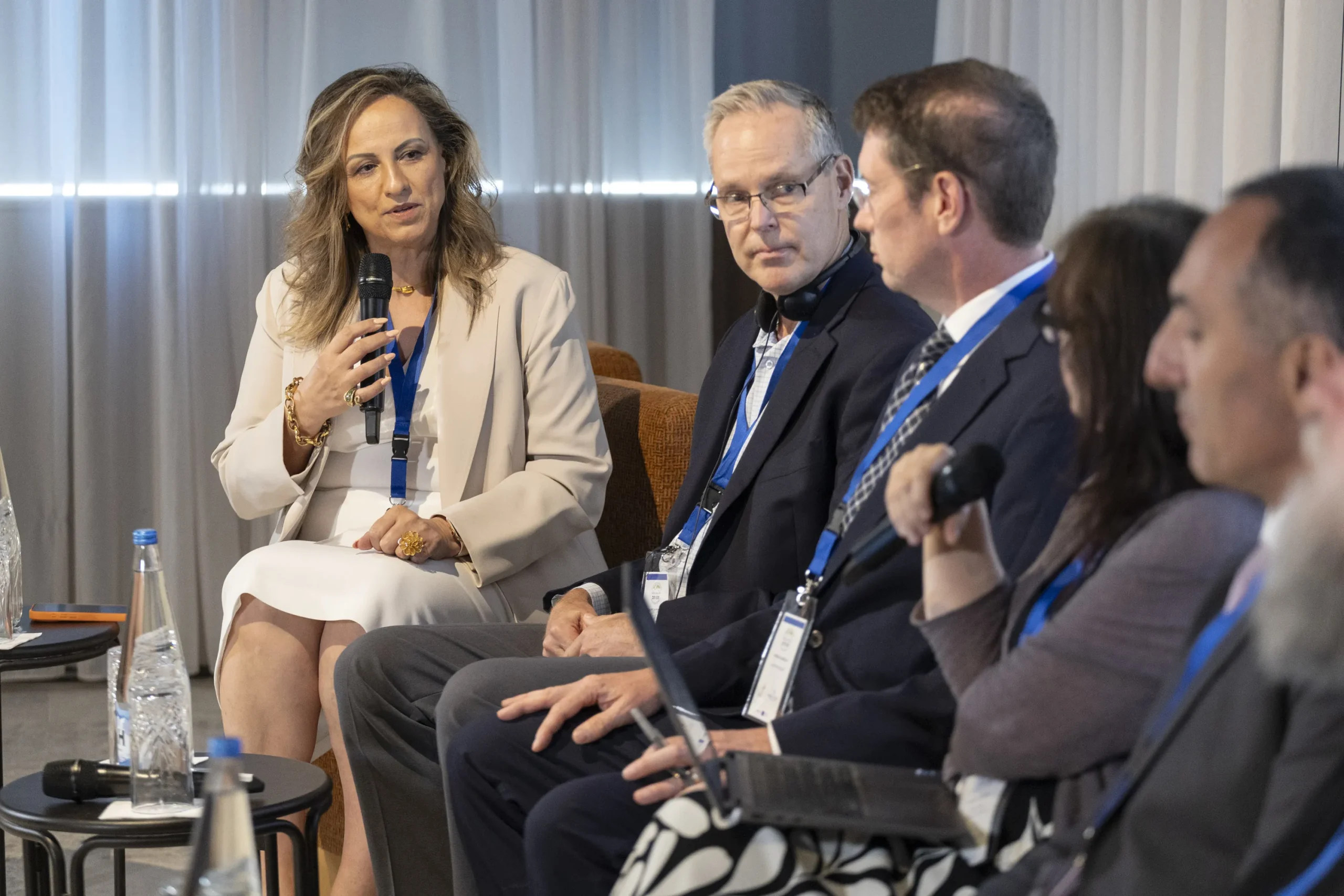
A central part of the programme was devoted to interdisciplinary dialogue. The first panel, “Educating the New Humanitarian Professional: One Health, Public Health, and Crisis Leadership,” brought together academics from medicine, veterinary medicine, nursing, physiotherapy and humanitarian medicine to discuss the knowledge, competencies and leadership skills required of professionals working in increasingly complex crisis environments.
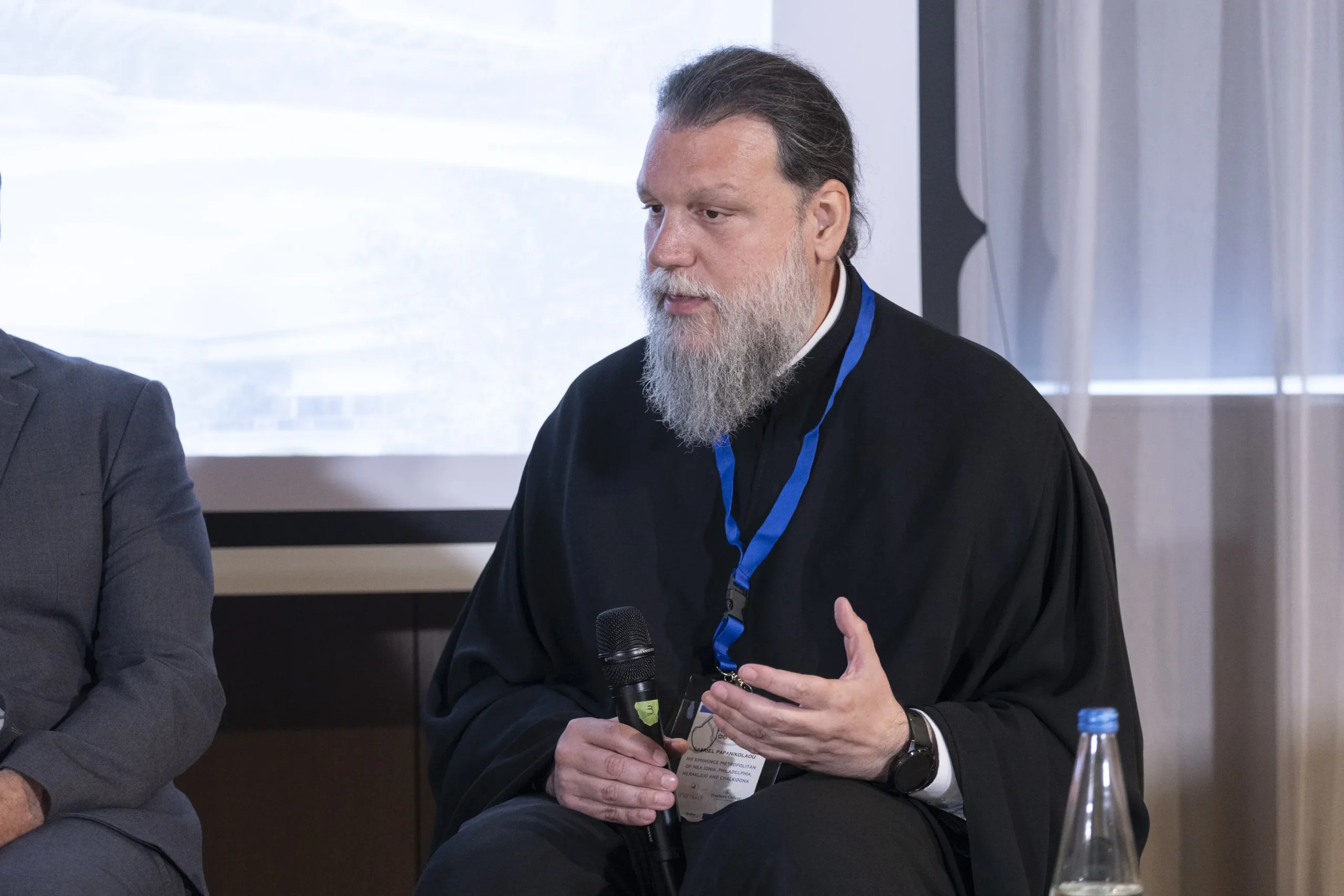
The second panel, “Climate Justice, Disaster Preparedness, and Data: From Risk Mapping to Action for Protecting Vulnerable Communities,” brought together experts from the University of Thessaly and Columbia University, operational expertise from the Hellenic Fire Brigade, and His Eminence Metropolitan Gabriel of Nea Ionia, Philadelphia, Herakleio and Chalkidona. The discussion highlighted the importance of connecting scientific evidence, disaster preparedness, community engagement and social inclusion, particularly in protecting populations that are disproportionately affected by crises.
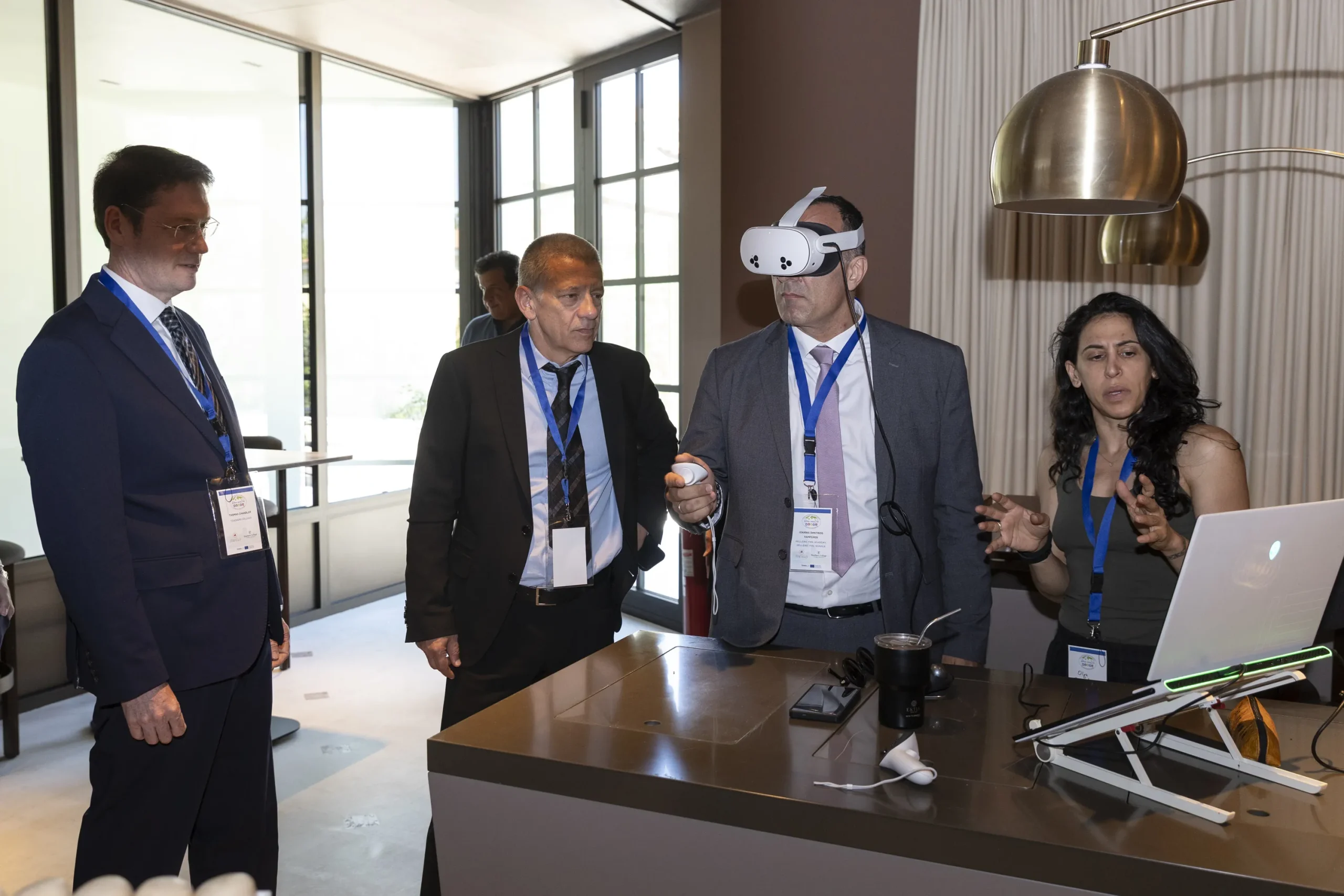
Innovation in education was another key theme of the meeting. Participants had the opportunity to explore the potential of virtual reality and immersive technologies through a curated VR preview, reflecting HERO-HEALTH’s emphasis on simulation-based education, experiential learning and realistic crisis-preparedness training.
HERO-HEALTH is a three-semester, 90 ECTS interdisciplinary Joint Master’s Programme developed through the academic collaboration of the University of Thessaly and Teachers College, Columbia University. The programme combines academic education with digital learning tools, blended teaching, crisis simulations and applied training, aiming to prepare professionals to design, implement and evaluate effective and inclusive interventions in complex and rapidly evolving crisis environments.
The kick-off meeting marked an important milestone in the collaboration between the two institutions and established a common platform for academic exchange, international cooperation and innovative education at the intersection of Humanitarian Action, Public Health and One Health.
Programme & Speakers
Official Photo Gallery